


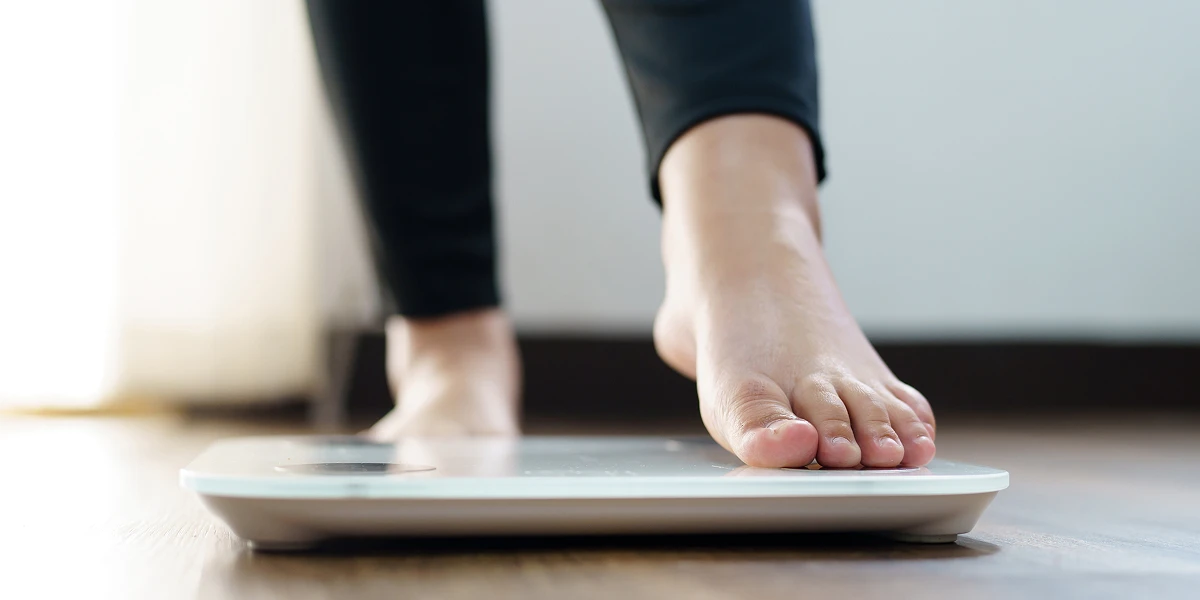
For many people trying to improve their health, the scale becomes the single measure of progress. You step on it each morning hoping to see the number go down. If it doesn’t change, it can feel discouraging.
Many patients tell us they are eating better, exercising more, and making healthier choices — yet the scale makes them feel like they are failing.
But here is something most people don’t realize: the number on the scale doesn’t tell the full story of your health.
Weight loss and healthy fat loss aren’t the same thing. In fact, focusing only on weight can hide important changes happening inside your body. Oftentimes, people lose weight but also lose muscle, which negatively affects metabolism and long-term health.
That’s why in modern medicine we focus not only on the scale but more on body composition analysis.
Fat Loss vs Weight Loss: What is the Difference?
When people say they want to lose weight, what they usually mean is that they want to lose body fat. But the scale can’t tell the difference between fat, muscle, water, or bone.
While weight loss simply means your weight is decreasing, fat loss means reducing body fat while ideally maintaining or building lean muscle mass.
The difference is important. Muscle plays a critical role in overall health and is directly linked to your healthspan and longevity. Muscle achieves this by supporting metabolism, regulating blood sugar, improving strength, and protecting long term mobility.
If you lose weight but also lose significant muscle, your metabolism slows down. This makes it harder to maintain weight loss in the future.
True progress should focus on losing fat while preserving muscle.
Are Scales Accurate at Measuring Weight Loss?
Although a traditional scale can accurately measure total body weight, it can’t tell you what that weight is made of.
Several factors cause the number on the scale to change from day to day, including:
- Water retention
- Sodium intake
- Hormonal fluctuations
- Glycogen storage in muscles
- Digestive changes
Because of these variables, the scale fluctuates even when someone is making meaningful improvements in their health.
Many people feel frustrated when the scale is not moving, even though their body may be changing in positive ways. In some cases, you may be losing body fat while building or preserving lean muscle. You may also be reducing inflammation or responding to exercise in ways the scale can’t accurately measure.
This is why many patients say, “The scale isn’t moving, but my clothes fit better.”
This is called body recomposition — improving the ratio of muscle to fat, even if total weight changes slowly.
In other words, the scale may not reflect the progress your body is actually making.
Why Muscle Preservation Matters for Metabolic Health
One of the most important goals during any weight loss program is preserving lean muscle mass.
Muscle is metabolically active tissue. This means it helps your body burn energy even at rest. The more muscle you maintain, the more efficiently your metabolism can function.
Losing muscle during weight loss leads to:
- Slower metabolism
- Increased fatigue
- Reduced strength
- Higher risk of regaining weight
This is why sustainable weight management must always include strategies that protect muscle, such as strength training, adequate protein intake, and physician-guided treatment plans.
How Body Composition Analysis Shows Real Progress
Instead of relying on the scale alone, MOOV clinicians use body composition analysis to better understand how the body is changing.
At MOOV Health and Wellness, we use Evolt body composition scans, that provide a detailed breakdown of:
- Body fat percentage
- Lean muscle mass
- Visceral fat levels
- Hydration status
- Metabolic indicators
This technology allows us to track true fat loss, rather than just changes in total weight so you achieve your goals and become healthier in the process.
Patients often find this incredibly helpful because it shows progress the scale can’t capture. Even when the scale stays the same, improvements in muscle mass and reductions in body fat may be occurring.
A Physician Guided Approach to GLP-1 Weight Loss
Medical therapies such as GLP-1 weight loss treatments have helped many patients achieve meaningful fat loss. These medications work by regulating appetite, improving blood sugar control, and supporting healthier eating patterns.
However, medication alone isn’t enough for long term success.
A physician-guided program focuses on:
- Preserving muscle mass
- Supporting metabolic health
- Encouraging strength training and movement
- Monitoring body composition changes
When these strategies are combined, patients experience healthy fat loss rather than simply losing weight on the scale.
The Bottom Line: Focus on Health, Not Just the Scale
The number on the scale is only one piece of information. It can’t tell you how much fat you have lost, how much muscle you have gained, or how your metabolism or healthspan improving.
That is why a more comprehensive approach to weight management focuses on:
- Fat loss rather than just weight loss
- Body composition analysis
- Muscle preservation
- Physician-guided care
When we shift the focus away from the scale and toward overall health, patients are more likely to achieve sustainable results.
Because in the end, the goal isn’t just to weigh less.
The goal is to build a stronger, healthier body that supports long term wellness.
A Smarter Approach to Weight Loss at MOOV
Weight management should never be reduced to a single number on the scale. Our physician-guided programs focus on healthy fat loss while preserving muscle and supporting long term metabolic health.
Using tools like body composition analysis with Evolt scans, we track real changes in body fat, muscle mass, and metabolic markers. This gives patients a clearer picture of their progress and allows our medical team to personalize treatment plans.
For many patients, this may include GLP-1 weight loss therapy, strength training guidance, metabolic testing, and lifestyle support designed to help improve overall health, not just weight.
If the scale has left you frustrated, it may be time to measure what actually matters.
With the right medical guidance and the right data, the focus shifts from chasing a number on the scale to building a stronger, healthier body for the long term.